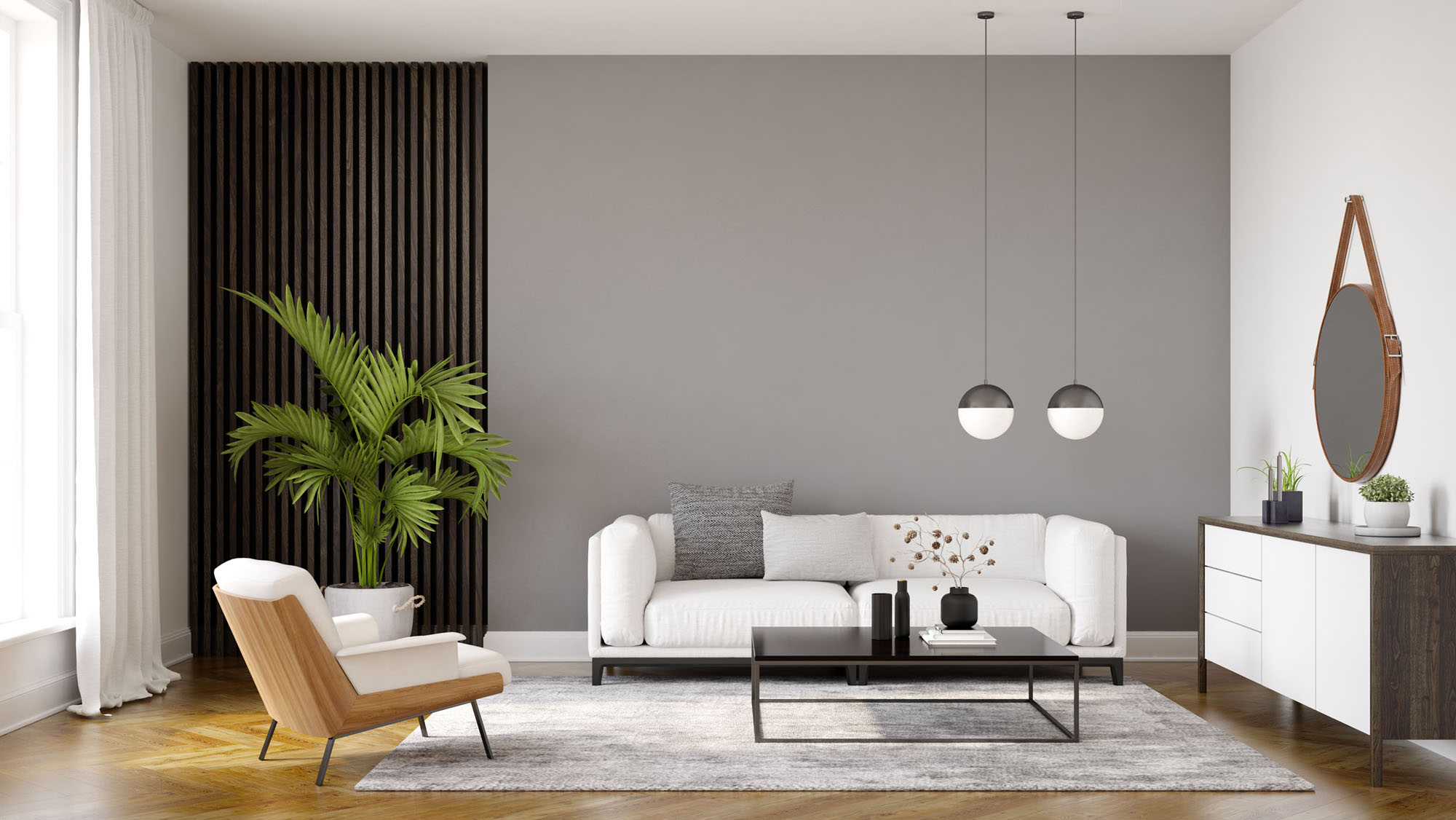
White oak, red oak, or hickory? Compare hardness, grain, and cost to choose the best hardwood species for your Toronto home and the way your family lives.
For homeowners choosing a floor that fits real family life
When you're choosing hardwood for your home, the species matters as much as the colour. White oak, red oak, and hickory are three of the most popular choices in Toronto homes — and each brings a different look, hardness, and personality. Understanding how they compare helps you pick a floor that suits your style, your budget, and the way your household actually lives, so you're not second-guessing the decision every time a chair scrapes back or the light hits the grain.
Why Species Matters More Than You Think
It's easy to focus on colour and finish and forget the wood underneath, but species determines three things you'll live with for decades: how hard and dent-resistant the floor is, how the grain looks, and how well it takes stain. A soft, busy-grained wood and a hard, straight-grained one can wear and age very differently even in the same room, and no finish can fully disguise the wood beneath it.
Hardness is measured on the Janka scale, an industry test that presses a steel ball into the wood to rate its resistance to denting. It's a useful shorthand when comparing species for a busy home, though it isn't the whole story — grain pattern and finish also affect how well a floor hides the marks of daily life. For a deeper look at how grading and quality affect a board beyond species alone, see our wood flooring grades guide.
White Oak: The Modern Favourite
White oak has become the default choice for Toronto homeowners and designers, and for good reason. It sits around 1360 on the Janka scale — hard enough for daily family traffic — and its tight, straight grain reads clean and contemporary. Crucially, its naturally cool, neutral tone takes modern stains beautifully, from pale naturals to warm greige and rich browns, without the pink undertones that can fight your design.
White oak is also the go-to for the wide-plank, matte, wire-brushed look that defines current interiors. Its versatility with stain means one species can deliver a light Scandinavian floor or a deep, moody one, so it suits almost any palette you build around it. If you love that style, our guide to white oak engineered hardwood covers why it's so popular and what to look for.
Red Oak: The Classic Standard
Red oak is the wood in countless older Toronto homes — the builder-grade standard for decades. It's slightly softer than white oak at about 1290 Janka, still plenty durable, and generally the most budget-friendly of the three thanks to wide availability.
Its defining traits are a warmer, pinkish cast and a busier, more prominent grain. That gives red oak a traditional character some homeowners love — and the active grain camouflages scratches and dents well, which is a genuine advantage in a high-traffic hallway. The trade-off is that its pink tone and strong grain are harder to push into a cool, modern look, which is why many homeowners updating a dated red oak floor move to white oak. If you already have red oak, though, it refinishes well and can often be re-stained to a more current tone rather than replaced.
Hickory: The Toughest of the Three
If durability is your top priority, hickory leads this group by a wide margin, sitting around 1820 on the Janka scale. It's one of the hardest domestic species available, which makes it an excellent choice for homes with big dogs, active kids, or high-traffic entry areas where a softer wood would show wear sooner.
Hickory also has the most dramatic look: strong grain variation and pronounced colour swings from pale, creamy sapwood to rich brown heartwood. That character is a feature for homeowners who want a rustic, lived-in floor with lots of movement — though it reads busier than oak, so it's worth seeing large samples in your own light before committing. One practical note: because hickory is so dense, it's demanding to work with and best installed by an experienced team to get clean, consistent results.
Beyond the Big Three: Where Maple Fits In
White oak, red oak, and hickory dominate Toronto homes, but maple is worth a mention as a fourth option. At roughly 1450 Janka it's harder than both oaks, with a subtle, fine grain and a naturally light, creamy tone that suits contemporary spaces. The catch is that maple doesn't take stain as evenly as oak — it can blotch — so it's usually left close to natural. If you love a pale, understated floor and a smooth grain, maple is a strong contender; if you want flexibility to stain a range of colours, oak remains the more forgiving choice.
A Toronto Example: Matching Species to a Family Home
Consider a common GTA situation: a family with two young kids and a large dog is replacing worn builder-grade carpet throughout the main floor and up the stairs. Their priorities are durability, a warm modern look, and a floor that won't show every scratch.
For a household this active, we'd typically steer them toward white oak or hickory rather than softer options. White oak offers the neutral, on-trend look they want with more than enough hardness for family life, while hickory would go a step further on dent resistance if the dog and kids are especially hard on floors. A matte finish is recommended either way, because it hides micro-scratches and paw marks far better than gloss. The decision usually comes down to a look preference — the clean calm of oak versus the rustic character of hickory — once durability is covered by both.
Which Species Is Right for Your Home?
There's no single winner — the best species depends on your priorities:
- Choose white oak if you want a clean, modern, neutral floor that suits contemporary and transitional interiors and takes on-trend finishes cleanly.
- Choose red oak if you want classic warmth, a budget-friendly option, or a grain that quietly hides everyday wear.
- Choose hickory if maximum hardness and a bold, characterful grain top your list, especially for very active households.
Species also interacts with construction. In Toronto's humid summers and dry winters, engineered versions of these species offer extra stability — a factor we cover in our guide to engineered hardwood for your Toronto home. The right combination of species and construction is exactly what our team helps you narrow down in person.
Frequently Asked Questions: Best Hardwood Species for Toronto Homes
Q: What's the most durable hardwood species for a busy family home? Of these three, hickory is the hardest at about 1820 Janka, making it the most dent-resistant. White oak is also very hard and pairs durability with a more modern, neutral look.
Q: What's the difference between white oak and red oak? White oak is slightly harder, cooler, and more neutral with a tight straight grain; red oak is warmer, pinker, and has a busier grain. White oak suits modern finishes, while red oak reads more traditional and is usually more affordable.
Q: Is hickory too busy for a modern home? Hickory has strong grain and colour variation, so it reads more rustic than oak. It can absolutely work in modern spaces, but view large samples in your own lighting first so you're happy with the movement.
Q: Which species is best for homes with pets? Harder species hide and resist wear best, so hickory and white oak are strong choices for homes with dogs. Pairing a hard species with a matte finish is the most effective way to keep paw marks and scratches from standing out.
Q: Can each species be refinished later? Solid versions of all three can be sanded and refinished, which is one of hardwood's biggest advantages. Red oak in particular is often re-stained to a more current colour rather than replaced. We confirm what's possible based on your floor's construction and thickness.
Q: How much does hardwood flooring cost by species? We offer a range of materials, styles, and installation options, so pricing varies by species, grade, the area, and the project scope. For an accurate quote and the right plan for your home, call or WhatsApp +1 (437) 988-0524.
Choose the Right Species With Expert Guidance
White oak, red oak, and hickory each make a beautiful floor — the right one comes down to the look you want and how hard your household is on its floors. Seeing full-size samples in your own home, next to your walls and light, makes the decision clear in a way a showroom never can.
FloorSure is WSIB-covered, fully insured, and backs every installation with a one-year workmanship warranty. Contact our team for a professional on-site consultation, or call or WhatsApp +1 (437) 988-0524, and our hardwood flooring service will help you choose the species and finish that's right for your home.
FloorSure is a fully insured, WSIB-covered flooring & stair installer serving Toronto & the GTA, with a 1-year workmanship warranty on every installation. Call or WhatsApp +1 (437) 988-0524 for a free on-site quote.